What is Pattern Making in Fashion?
In the process of Construction of any garment before it is finished and ready, there is a process among which, twice it’s made before cutting and sewing on the main fabric 🙂
1. Sketch where a creator or a designer create the design either on paper or in software, where we have a better visual 2D or 3D idea of the garment about the silhouette, fabric, color, etc..
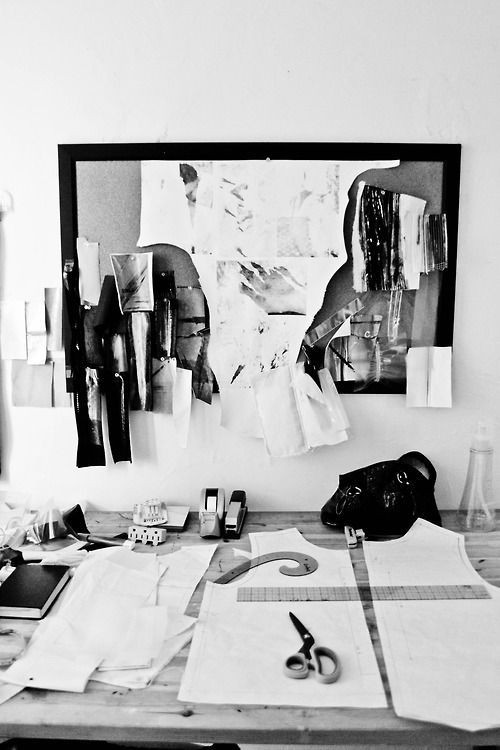
2. Pattern where the template is made according to the design and measurements on the paper so that to use it for cutting. Manipulation, grading is also done on pattern according to the need and requirement.
These are exceptional with some masters & tailors who do the marking direct on the fabric or lining as per there comfort, depends on there experience and requirement.
Pattern (Sewing)
In sewing and fashion design, a pattern is the template from which the parts of a garment are traced onto fabric before being cut out and assembled. Patterns are usually made of paper, and are sometimes made of sturdier materials like paperboard or cardboard if they need to be more robust to withstand repeated use. The process of making or cutting patterns is sometimes condensed to the one-word Patternmaking, but it can also be written pattern(-)making or pattern cutting.Student tracing pattern onto fabric
A sloper pattern (home sewing) or block pattern (industrial production) is a custom-fitted, basic pattern from which patterns for many different styles can be developed. The process of changing the size of a finished pattern is called grading.
Several companies, like Butterick and Simplicity, specialize in selling pre-graded patterns directly to consumers who will sew the patterns at home. Commercial clothing manufacturers make their own patterns in-house as part of their design and production process, usually employing at least one specialized patternmaker. In bespoke clothing, slopers and patterns must be developed for each client, while for commercial production, patterns will be made to fit several standard body sizes.
A patternmaker typically employs one of two methods to create a pattern.
The flat-pattern method is where the entire pattern is drafted on a flat surface from measurements, using rulers, curves and straight-edges. A pattern maker would also use various tools such as a notcher, drill and awl to mark the pattern. Usually, flat patterning begins with the creation of a sloper or block pattern, a simple, fitted garment made to the wearer’s measurements. The final sloper pattern is usually made of cardboard or paperboard, without seam allowances or style details (thicker paper or cardboard allows repeated tracing and pattern development from the original sloper). Once the shape of the sloper has been refined by making a series of mock-up garments called toiles (UK) or muslins (US), the final sloper can be used in turn to create patterns for many styles of garments with varying necklines, sleeves, dart placements, and so on.
The draping method involves creating a muslin mock-up pattern by pinning fabric directly on a form, then transferring the muslin outline and markings onto a paper pattern or using the muslin as the pattern itself.[1]. Designers drafting an evening gown or a sculpted dress which uses a lot of fabric, typically cut on the bias, will use the draping technique, as it is very difficult to produce with a flat pattern.
WikipImedia
Measurements
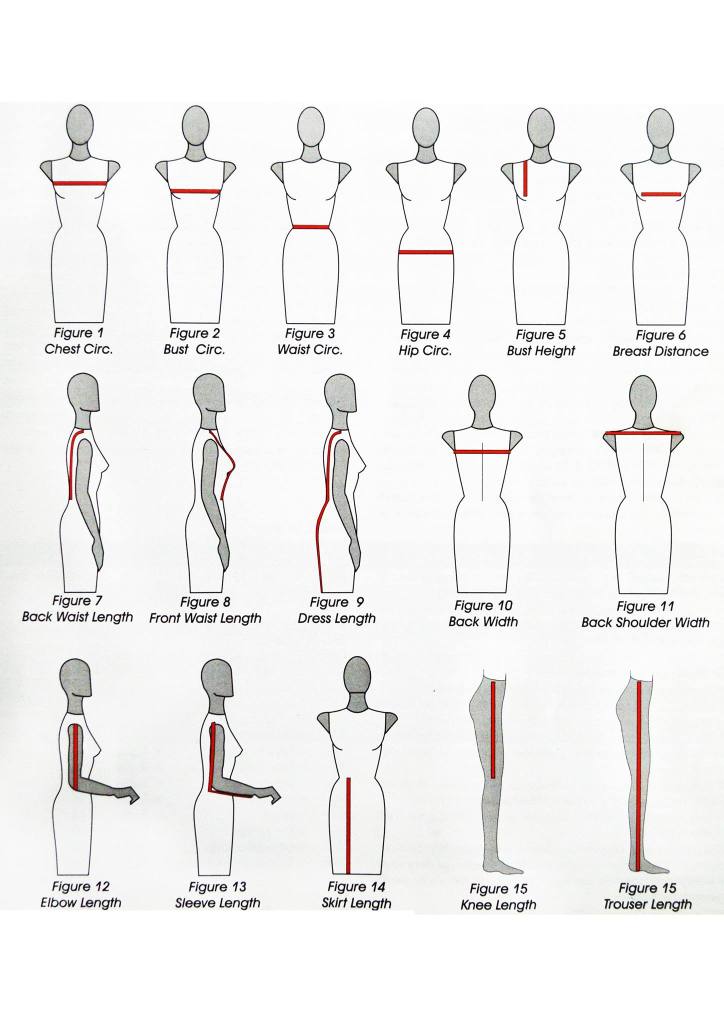
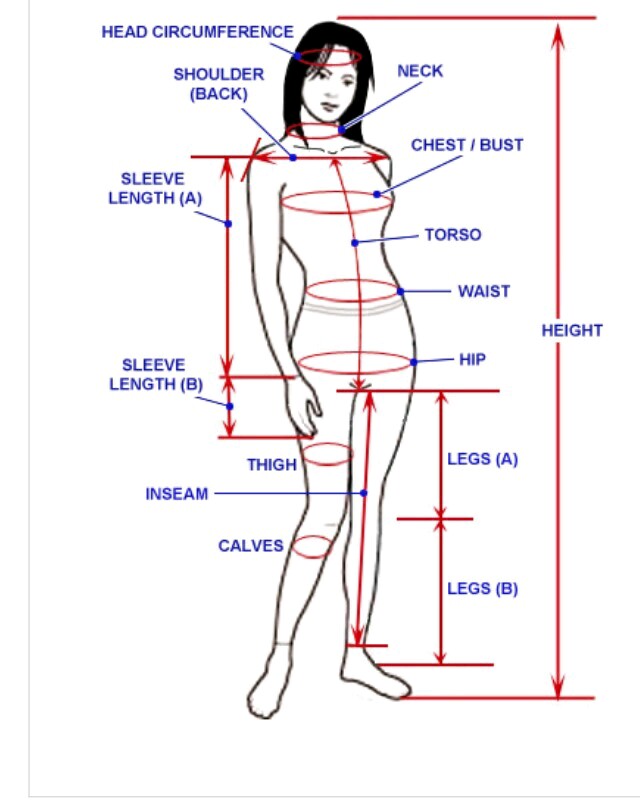
To make any garment let it be a regular wear dress or a costume, the most important is the pattern. To make a perfect outfit we need to take perfect measurements and to take perfect measurements we need to have atleast basic knowledge of the areas where to take measurements that is the length and the circumference. So here is the image shared to have the basic idea needed to know..
One can always extend and take extra measurements as per needs and demand to create a garment. One can also manipulate, recreate and transform a basic pattern into a new pattern as per their design.. Enjoy #Patternmaking
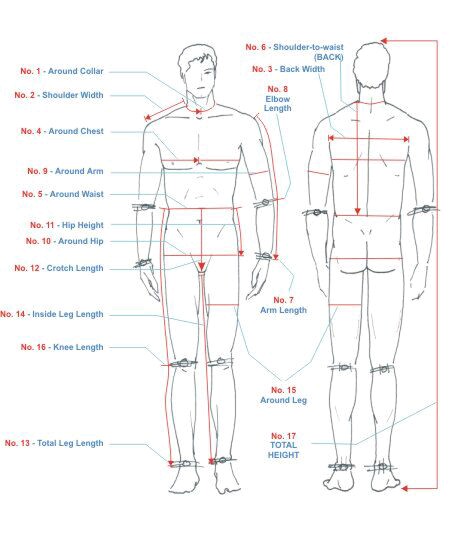
Guide to know the Body structure & their names
Let’s Connect & Collaborate
At Fashion Business Voices, we celebrate creativity and community. We don’t claim credit for images or designs shared on our platform unless specifically stated. If you find your work featured and would like it removed or credited, please reach out — we’ll be happy to help.
If you’re an entrepreneur, student, business, or fashion lover looking to collaborate or share your work, we’d love to hear from you!
Write to us anytime at info@fashionbusinessvoices.com — your ideas and feedback are always welcome.
 Fashion Business Voices
.jpg)